







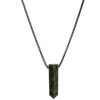

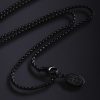
Férfi kristály nyaklánc – Szerpentinit
$ 69 Tartalmazza az ÁFÁt
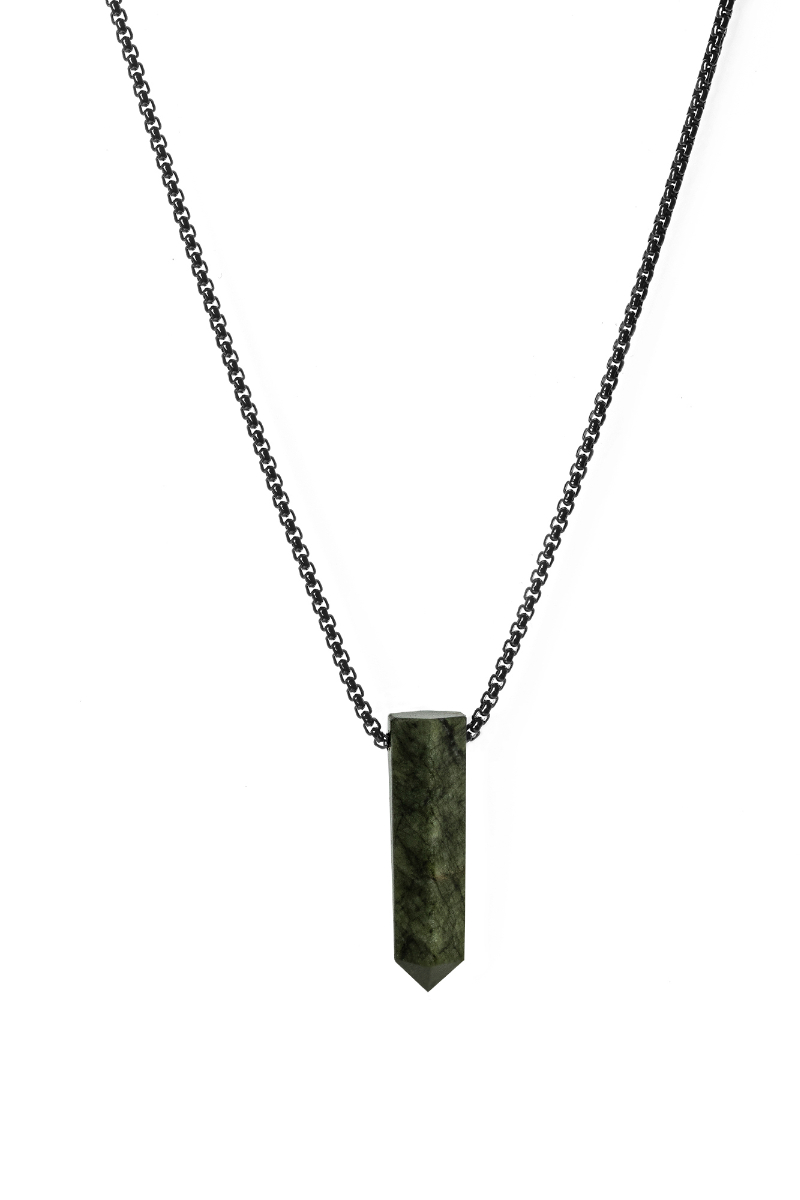
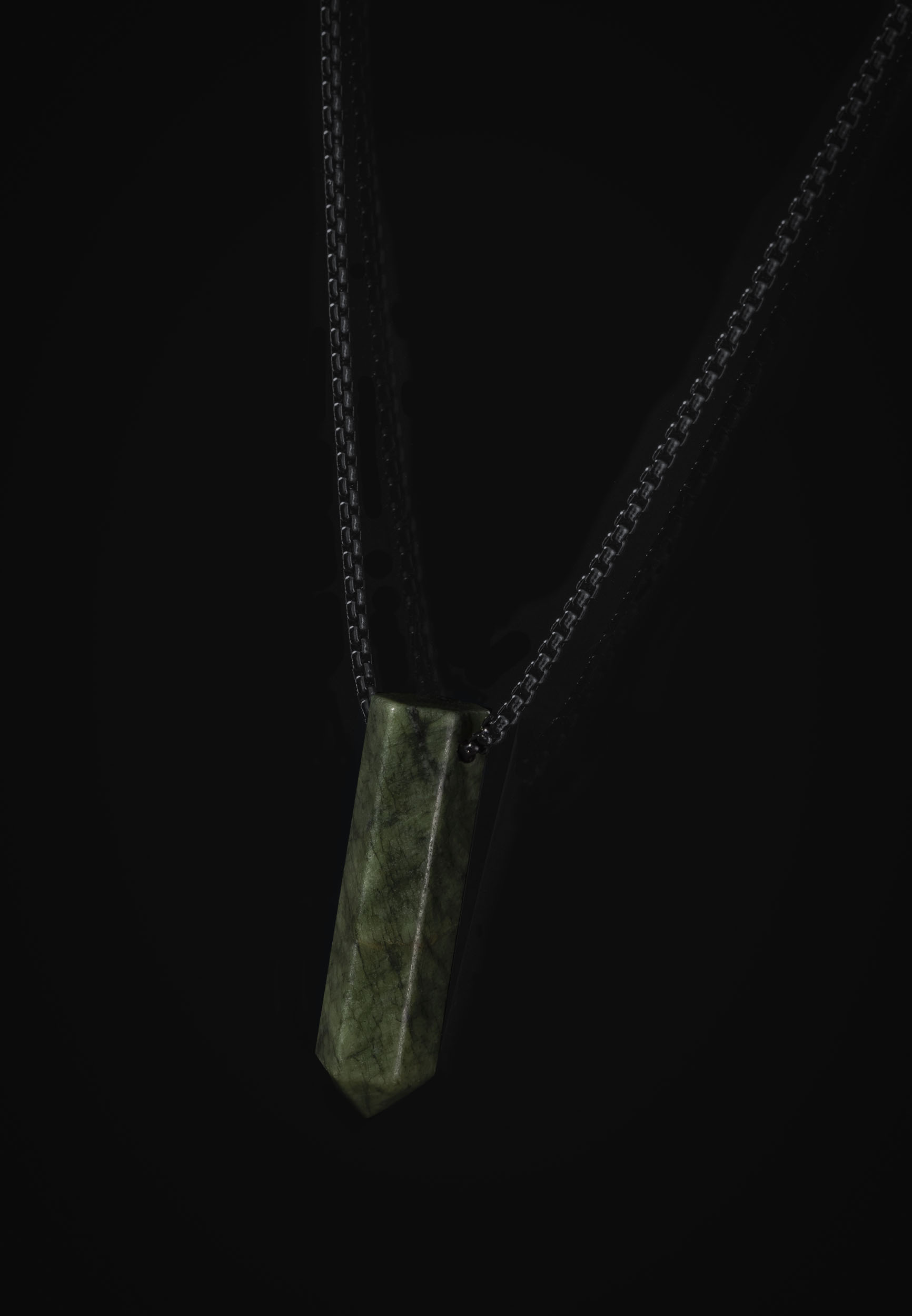
Ez a férfiaknak szánt szerpentinit nyaklánc egy hatszögletű, természetes szerpentinitből készült medált tartalmaz – a középkorban “gyógyító kövének” nevezték a zöld, pikkelymintás kőt.”
Úgy tartják, hogy őrzi az életenergiát és védelmet nyújt a láthatatlan erők ellen, egy visszafogott darab, csendes, revitalizáló jelentéssel.
Lánc hossza: 69 cm vagy 80 cm
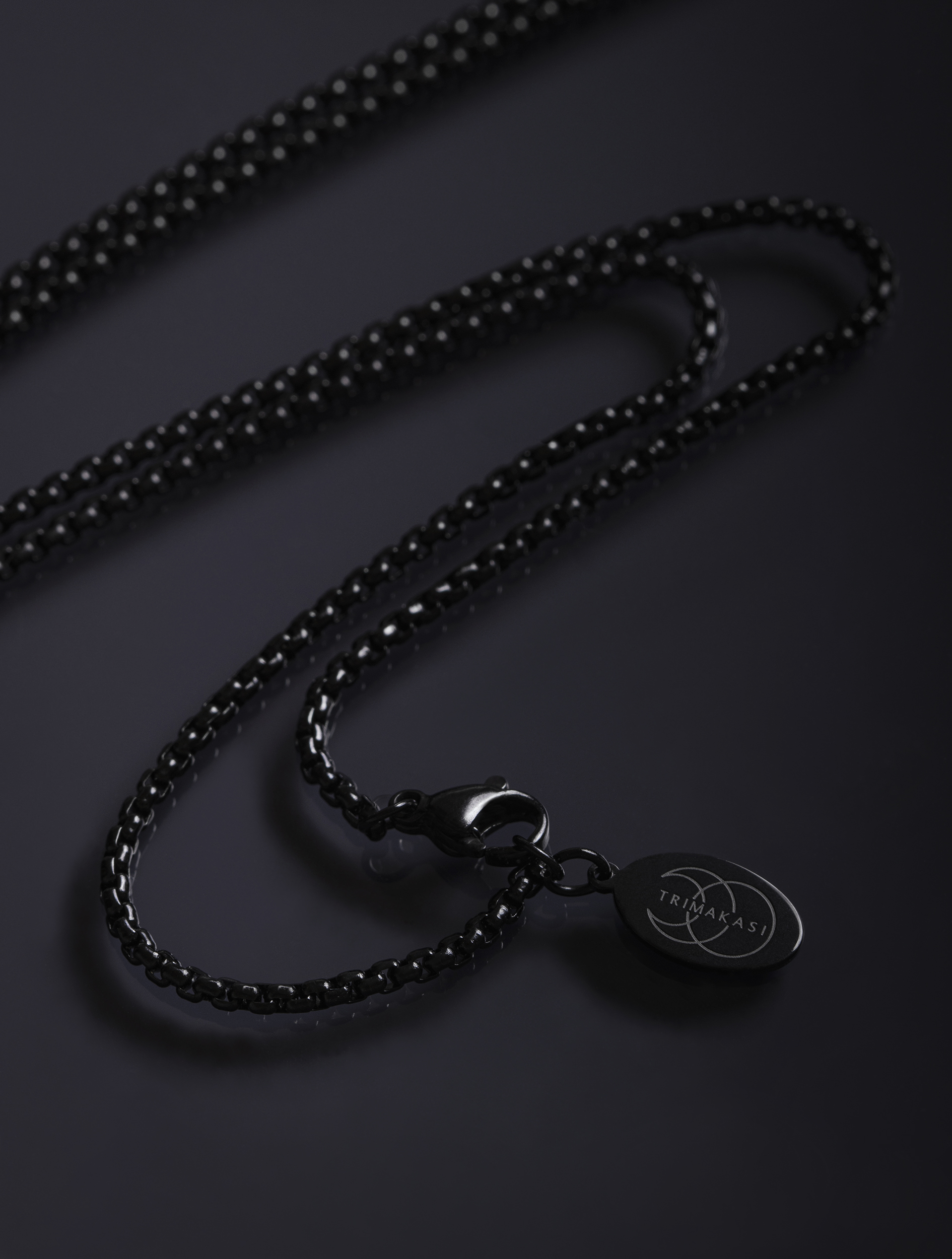
Lánc színe és anyaga: Rozsdamentes acél fekete PVD bevonattal
Kő méretei: kb. 3,5 cm x 1 cm
Szerpentinit – Jelentés
A szerpentinit a kígyóról kapta a nevét, és elég egy pillantás a kőre, és máris látszik, miért: zöld, pikkelyszerű mintázat fut végig a felületén, mint a leváló bőr. A népmesék komolyan vették a hasonlóságot. Ahogy a kígyó megújítja magát azzal, hogy hátrahagyja régi bőrét, a szerpentinit a megújulást és a megszabadulást jelképezte, és sokáig védő amulettként hordták maguknál azok a férfiak, akik könnyebben akartak továbblépni, mint ahogy érkeztek.
Védelmező múltja mélyreható. Az ókori rómaiak szerpentinitet viseltek pajzsként a mágia ellen. Évszázadokkal később a középkori patikusok annyira megbíztak benne, hogy tálakba és edényekbe faragták gyógynövények tárolására, meggyőződve arról, hogy a kő energiája megerősít mindent, amit benne tárolnak – ez a hírnév érdemelte ki régi nevét, a Gyógyító Kövét.
A modern gyakorlatban energiáját természetesen megnyugtatóként, mégis csendesen erőteljesként írják le. A szerpentinit kapcsolatban áll a Kundalinivel — a gerinc tövében nyugvó, feltekeredett életerővel — és úgy tartják, segít felébreszteni ezt az energiát, miközben testet és elmét stabilan tartja annak emelkedése során. A mindennapi életben ugyanez a stabilitás védelmet nyújt az életenergiánknak: módja annak, hogy megőrizzük tartalékainkat, bármi is merítené ki azokat csendben. A kőről azt is mondják, hogy növeli a boldogságot és támogatja az előrehaladást mind a személyes, mind a szakmai célok felé.
Ez egy nyaklánc annak a férfinak, aki épít valamit — karriert, fegyelmet, önmaga nyugodtabb változatát. A hatszögletű medál mélyen lóg sötét láncán és nem zavar, ing alatt vagy felett, megjegyzés nélkül végzi dolgát. A hatás szándékosan visszafogott: feketére bevont acél, kígyózöld kő, és egy jelentés, amit sosem kell magyaráznod.
Elem: Föld
Csillagjegyek: Ikrek, Skorpió, Mérleg
Ez a nyaklánc harmonizálja a gyökér- és a szívcsakrát.


| Tömeg | 0.05 kg |
|---|---|
| Méretek | 22 × 22 × 3 cm |
További információk
Mivel minden egyes, ebben a nyakláncban használt kő egyedi, a darab színe, mintázata vagy egyéb részletei kissé eltérhetnek a termékfotókon láthatótól.
A nyakláncot egy Trimakasi logóval ellátott védővelúr tasakban szállítjuk.
A megjelenés megőrzése és élettartamának meghosszabbítása érdekében kerülje a durva kezelést és a szélsőséges körülményeknek, például a magas hőmérsékletnek vagy bizonyos vegyszereknek való kitettséget, amelyek károsíthatják a köveket vagy a láncot. Javasoljuk, hogy vegye le a nyakláncot testmozgás, alvás, fürdés, zuhanyozás vagy szaunázás előtt.
A Trimakasi mögött rejlő jelentés
Minden Trimakasi darab többet hordoz, mint pusztán gyönyörű dizájnt. Ez a darab a Trimakasi jelzést viseli – ez a jele a származásának, és a márkánk mögött álló történethez és értékekhez való kapcsolatnak.
A nevünket az indonéz *terima kasih* – “köszönöm” – kifejezés ihlette, és tükrözi a Trimakasi középpontjában álló értékeket: a hálát, az egyensúlyt és a reményt.
A Nap és a Hold a szimbólumunkban az ellentétek találkozását jelképezik: fény és árnyék, mozgás és nyugalom, értelem és intuíció. Nem olyan erőkként, amelyeknek le kell győzniük egymást, hanem az élet természetes részeiként, amelyek egyensúlyban létezhetnek.
Az ékszerek nem tudnak egyensúlyt, bátorságot vagy reményt teremteni. Személyes szimbólummá válhatnak azonban – csendes emlékeztetőként arra, hogy állj meg, térj vissza a jelen pillanatba, és emlékezz arra, mi is igazán számít neked. A jelentés, amit adsz nekik, teljes mértékben a te kezedben van.
Minden sötét éjszaka után fényes nap következik.

„Crystal necklace for men – Serpentinite” értékelése elsőként
Érdekelhetik még…







Kapcsolódó termékek




Értékelések
Még nincsenek értékelések.